Why does Louisiana have parishes instead of counties? The answer goes back to its French and Spanish colonial past, when church boundaries helped shape local government. Discover how this unique history still matters for property records and title research today.
HIDDEN IN THE TITLE SERIES
Hidden in the Title is a series that explores the fascinating stories, historical quirks, unusual laws, and surprising events that still shape land ownership and title records across the United States. From forgotten roads and century-old deed restrictions to land lotteries, vanished towns, old courthouses, and historic property rights that still affect legal decisions today, these stories reveal just how much American history can be hidden inside a title search.
Full Archive Below
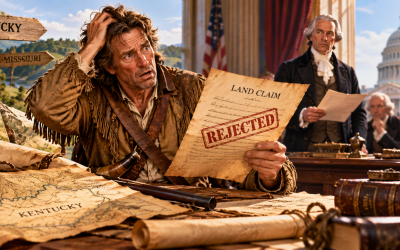
Even a Legend Can Have Land Trouble – Kentucky
Daniel Boone helped survey Kentucky as settlers claimed land on the frontier, yet he faced complications with his own property claims. His later dispute over a Missouri land grant offers a historical example of how government records and legal requirements shape property ownership.
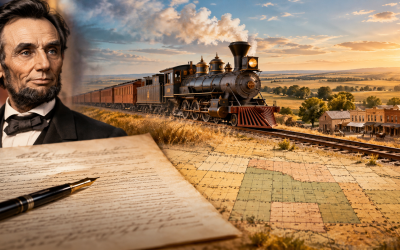
What Did Abraham Lincoln Have To Do With Kansas Land?
Abraham Lincoln’s signature helped set in motion a land grant involving roughly 3 million acres in Kansas. Learn how the Santa Fe Railway used land sales to attract settlers, build communities, and shape property ownership histories that connect to title research today.
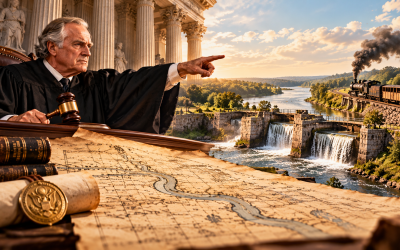
A Big Dam Dispute – Iowa
Iowa planned 28 locks and eight dams to turn the Des Moines River into a major trade route. When the project faltered, the land behind it became the subject of decades of legal disputes. Discover how a failed transportation plan left its mark on land ownership history.
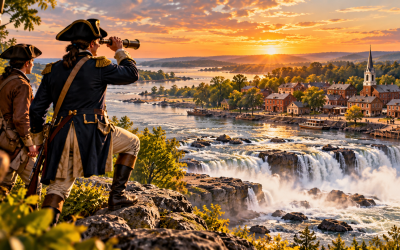
A Revolutionary War Reward That’s Still on the Map – Indiana
In 1781, Virginia set aside 150,000 acres in what is now Indiana to reward George Rogers Clark and his soldiers. Discover how that land grant helped establish Clarksville and what this early chapter of land ownership reveals about the history hidden in property records.
What Happened to Chicago’s Property Records?
The Great Chicago Fire of 1871 destroyed Chicago’s official real-estate records, leaving property owners with a difficult question: How could they prove what they owned? Discover how three private abstract firms helped preserve property histories and how the disaster influenced ownership reforms.
Potato Power! – Idaho
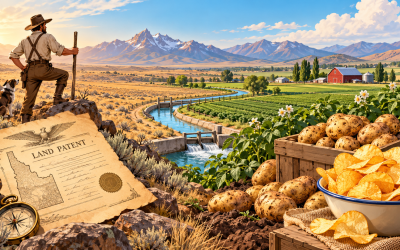
Idaho’s homesteading history helped shape more than its property records. Homestead claims, irrigation and generations of farming helped turn large stretches of Idaho into productive farmland, with some family farms still tracing their roots to those early claims.
You Think Your Chain Of Title Is Complicated? – Hawaii
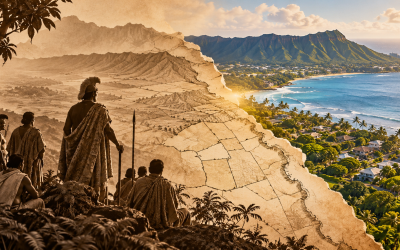
The Great Māhele of 1848 changed the way land ownership worked in Hawaii and helped establish the framework for the title system that followed. The Kuleana Act of 1850 then gave native tenants a way to seek ownership of the land they lived on and cultivated.
Georgia Used to Give Away Land by Lottery
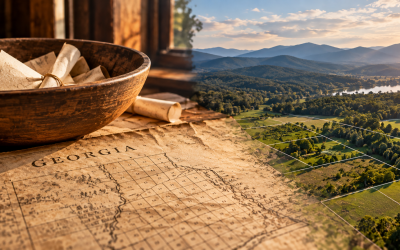
Georgia once gave away enormous amounts of land through lotteries, creating land districts and lot numbers that still appear in property records today. A modern title search can sometimes trace a property back more than 200 years to the person who originally drew the land.
Florida Still Owns Land From Depression-Era Tax Defaults – Florida
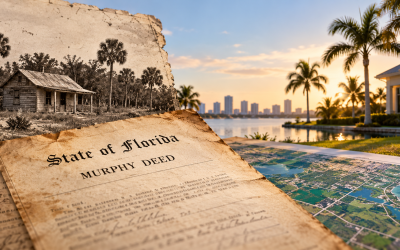
During the Great Depression, Florida acquired millions of acres of land through the Murphy Act after property taxes went unpaid. Decades later, those records can still turn up in Florida title searches.
Discovering the Smuggler’s Path – Delaware
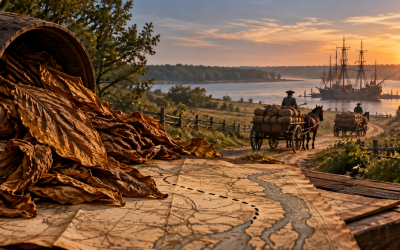
In colonial Maryland, tobacco was so valuable it could be used as currency. When the colony taxed tobacco exports, traders created the Smuggler’s Path into Delaware to avoid the tax.
What If You Inherited A Swamp? – Connecticut
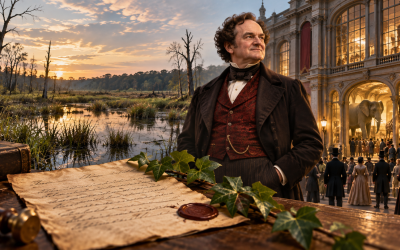
P.T. Barnum inherited five acres of Connecticut land as a boy and was told he owned one of the state’s most valuable farms. He eventually discovered it was a swamp, but years later the same property helped him finance his American Museum in New York.
2.7 Million Acres and The Colfax County War – Colorado
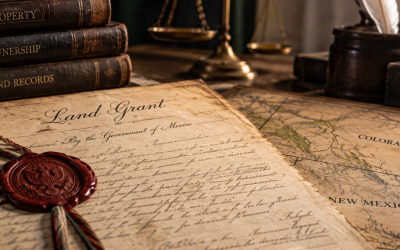
The Maxwell Land Grant once covered about 2.7 million acres across what is now New Mexico and Colorado. After gold brought prospectors onto the property, Lucien Maxwell eventually sold most of the grant, leaving the new owners to face a growing dispute with settlers that became known as the Colfax County War.
The Man Who Tried To Claim An Island – California
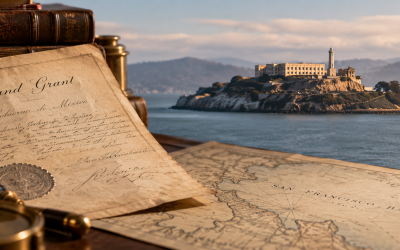
California’s transition from Mexican to U.S. rule created a complicated process for determining who legally owned existing land grants. One of the strangest claims came from José Limantour, who said he owned Alcatraz Island.
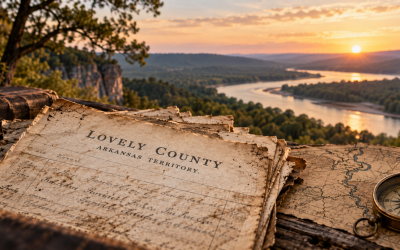
The County That Disappeared – Arkansas
Lovely County existed for barely a year before a new boundary erased it from the map. More than a century later, some of its long-lost records turned up scattered near a dump in Oklahoma.
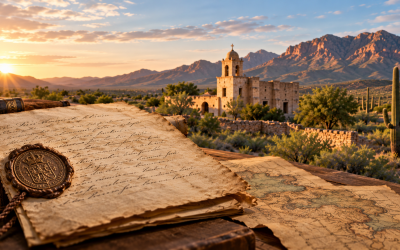
The Arizona Land Grant That Survived Three Governments
A Spanish land grant in what is now Arizona dates back to 1789, when the United States did not yet control the territory. The records surrounding that grant show just how far a property’s history can reach and how old documents can remain relevant generations later.
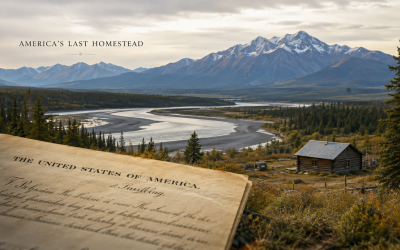
The Last American to Get Free Land – Alaska
The Homestead Act may seem like a piece of 19th-century history, but homesteading continued in Alaska into the 1980s. The story of Kenneth W. Deardorff, America’s last homesteader, shows how federal land records can preserve the beginnings of a property’s title history.
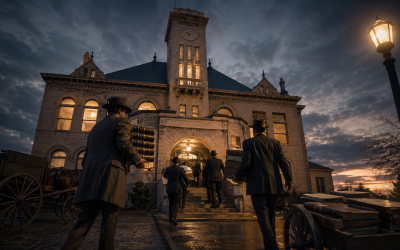
The Alabama County Seat That Was Won by Stealing the Records
Property records do more than document ownership. In Baldwin County, Alabama, the fight over the county seat ultimately came down to possession of the courthouse records themselves. The story is an unusual reminder of why deeds, plats, land records, and other recorded documents preserve far more than individual transactions.
Want Hidden In The Title delivered to your inbox?
New stories arrive twice a week. Join the list and we’ll send each new issue straight to you.