
“Not exactly a ‘let them eat cake’ situation, but I think that provision probably saved someone a few headaches down the road.”
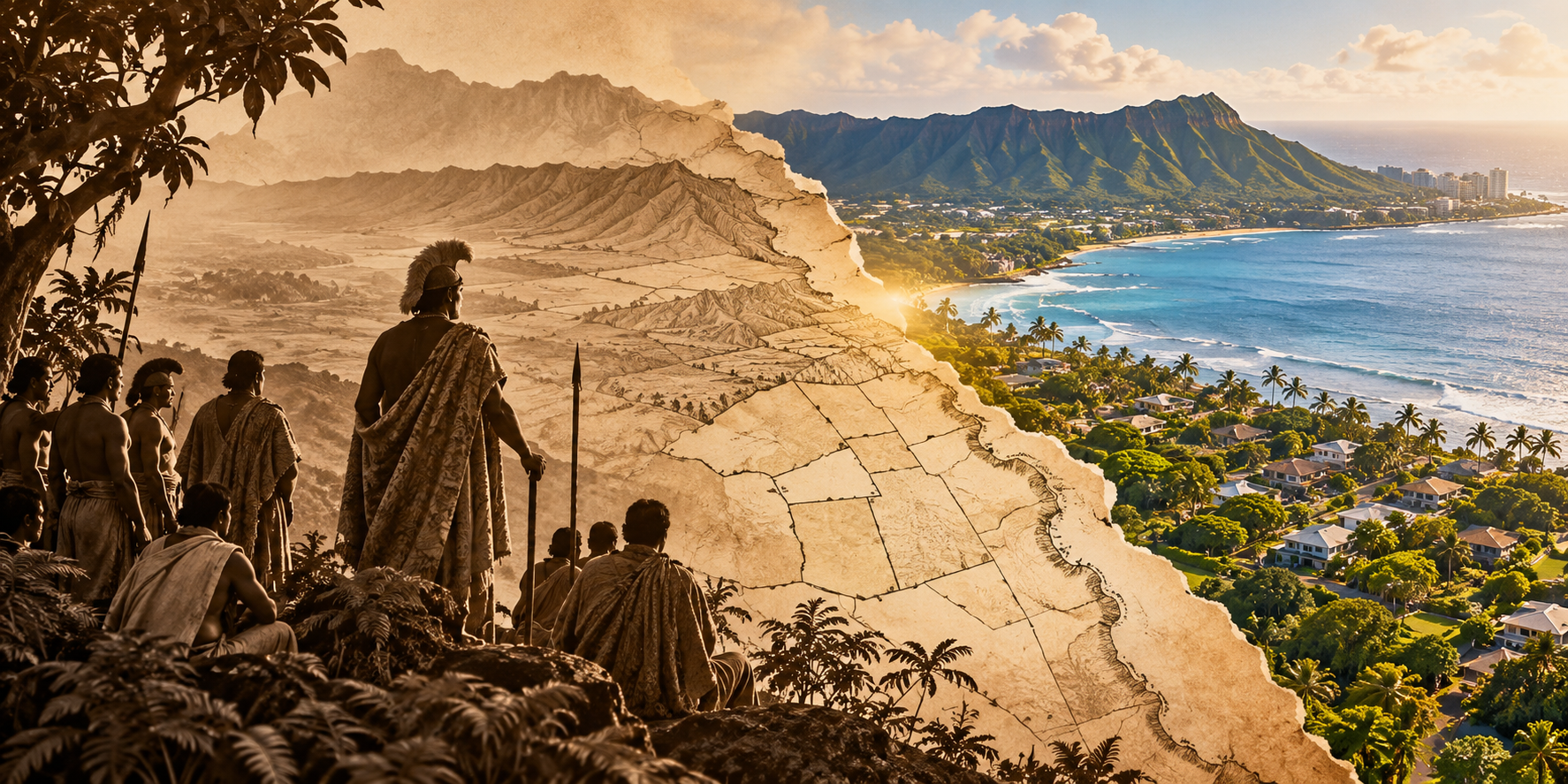
For centuries, land in Hawaii was not owned in the familiar modern sense. Land and its resources were part of a system in which chiefs held authority over areas of land, while ordinary Hawaiians lived on and cultivated it with certain basic rights.
Then, in 1848, that system began to change. King Kamehameha III and the chiefs took part in what became known as the Great Māhele. The process ran from January 28 to March 7, 1848, and divided land interests among the king, chiefs, and traditional land managers. It marked a fundamental shift toward private land ownership and created the framework for the title system that followed.
But there was an important piece still missing: the common people.
The Kuleana Act of 1850 created a way for native tenants to petition for ownership of the smaller parcels they lived on and cultivated. In other words, someone who had been farming a piece of land could now seek legal recognition of that land as their own. Not exactly a “let them eat cake” situation, but I think that provision probably saved someone a few headaches down the road.
However, The Great Māhele did not simply hand everyone a deed and call it a day. Claims had to be documented and processed through the Land Commission, and later surveys and boundary determinations helped establish the precise extent of many properties. Some of the records created during this period still form part of the title history for Hawaiian properties today.
A modern title search can therefore lead back to a land system that looked very different from the one we know today.
Angela Sharp
0 Comments